

Web Design Layouts and SEO-Friendly Web Design
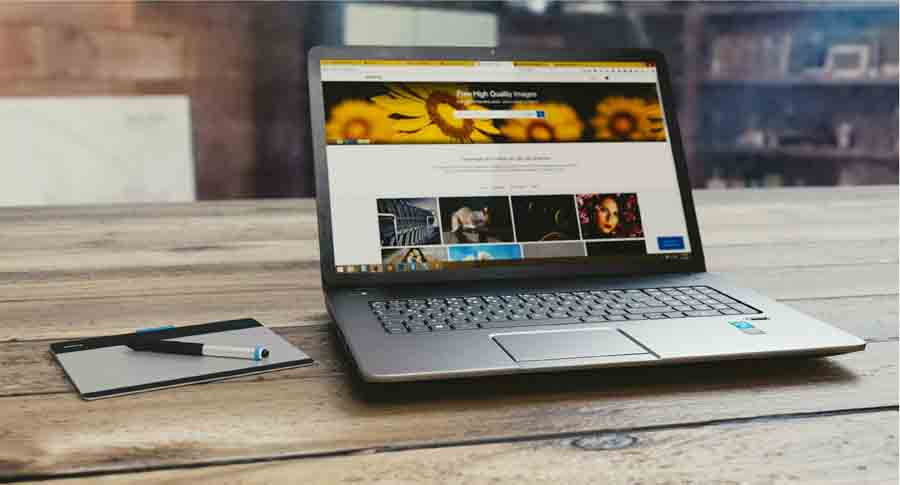
Web design is an important process that determines how a website will look in terms of aesthetics and usability. However, another aspect as important as aesthetics and usability is SEO (Search Engine Optimization) compatibility. How web design layouts are integrated with SEO can help a website rank higher in search engines and attract more organic traffic.
F Layout: A layout that follows users' eye movement on text-heavy pages. Commonly used on news sites and blogs.
Z Layout: Designed around users scanning the screen in a Z pattern. Ideal for simple and minimalist designs.
Grid Layout: Content is presented in a grid structure. Used to organize visuals and text.
Card Layout: Content is presented in cards. Common on social media sites and product catalogs.
Mobile Compatibility: Responsive designs display perfectly on mobile devices and are critical for Google's mobile-first indexing policy.
Fast Loading Time: Fast-loading pages improve user experience and positively affect search engine rankings.
Clean and Clear Coding: Clean and understandable HTML, CSS, and JavaScript code helps search engines index your page better.
Use of Structured Data: Structured data markup helps search engines understand your content and enables rich results.
SEO-Friendly URL Structure: Short, meaningful URLs containing keywords improve user experience and search engine ranking.
Web design layouts play an important role in improving user experience and presenting content effectively. Integrating these layouts with SEO can help you rank higher in search engines and increase organic traffic. Elements like mobile compatibility, fast loading times, and clean coding should be considered to create an SEO-friendly web design.
Web Design Layouts
Web design layouts are different arrangement templates used to improve user experience and present content in the most effective way. Here are some commonly used web design layouts:F Layout: A layout that follows users' eye movement on text-heavy pages. Commonly used on news sites and blogs.
Z Layout: Designed around users scanning the screen in a Z pattern. Ideal for simple and minimalist designs.
Grid Layout: Content is presented in a grid structure. Used to organize visuals and text.
Card Layout: Content is presented in cards. Common on social media sites and product catalogs.
Elements of SEO-Friendly Design
An SEO-friendly web design is optimized for search engines to better understand and rank your site. Here are some important elements to consider for SEO-friendly design:Mobile Compatibility: Responsive designs display perfectly on mobile devices and are critical for Google's mobile-first indexing policy.
Fast Loading Time: Fast-loading pages improve user experience and positively affect search engine rankings.
Clean and Clear Coding: Clean and understandable HTML, CSS, and JavaScript code helps search engines index your page better.
Use of Structured Data: Structured data markup helps search engines understand your content and enables rich results.
SEO-Friendly URL Structure: Short, meaningful URLs containing keywords improve user experience and search engine ranking.
Web design layouts play an important role in improving user experience and presenting content effectively. Integrating these layouts with SEO can help you rank higher in search engines and increase organic traffic. Elements like mobile compatibility, fast loading times, and clean coding should be considered to create an SEO-friendly web design.
Other Blogs
What is UI/UX Design? How is it Done?
Detailed Information
How Does AI Read Websites? What Determines Recommendations? | Netürk Web Design
Detailed Information
Differences Between Web Design and Website Development
Detailed Information
2025 Web Design Trends: From Minimalism to Artificial Intelligence
Detailed Information
User Experience (UX) and Conversion Rates (CRO)
Detailed Information
10 Things Great Websites Have in Common
Detailed Information
What Are HTML and CSS in Web Design?
Detailed Information
Web Design 2026: SEO, UX, Performance & Conversion
Detailed InformationDo you need a corporate website?
We are always ready for your project.
Contact us immediately.
Contact us now.